
Monterey Bay on California's coast is one of the most diverse marine ecosystems in the world, its giant kelp forest bursting with life, from microscopic plankton to visiting ocean giants. The secret key to success in such a busy microworld is balance. Steve Backshall guides us through the unique geography of the bay and introduces some of its key characters in a quest to find the one species that keeps life in the kelp forest in check.
- TV-Recordings
- Biology
- TV-Recordings
- No subtitles
- 30
Monterey Bay on California's coast is one of the most diverse marine ecosystems in the world, its giant kelp forest bursting with life, from microscopic plankton to visiting ocean giants. The secret key to success in such a busy microworld is balance. Steve Backshall guides us through the unique geography of the bay and introduces some of its key characters in a quest to find the one species that keeps life in the kelp forest in check.
Steve Backshall tries to discover just what makes it possible for a river to stop in the middle of a desert. The Okavango is the world's largest inland delta and home to a one of Africa's greatest congregations of wildlife, and in asking the difficult questions Steve reveals the astounding secret to its existence.
- TV-Recordings
- Geography
- TV-Recordings
- No subtitles
- 30
Steve Backshall tries to discover just what makes it possible for a river to stop in the middle of a desert. The Okavango is the world's largest inland delta and home to a one of Africa's greatest congregations of wildlife, and in asking the difficult questions Steve reveals the astounding secret to its existence.

In a revelatory look at Svalbard, the most northerly region in the series, Steve Backshall leaves no stone unturned as he unravels the secrets that lie covered in ice for most of each year. Svalbard is cold, dark and foreboding, yet it is home to the world's largest land predator and the most northerly population.
- TV-Recordings
- Geography
- TV-Recordings
- No subtitles
- 30
In a revelatory look at Svalbard, the most northerly region in the series, Steve Backshall leaves no stone unturned as he unravels the secrets that lie covered in ice for most of each year. Svalbard is cold, dark and foreboding, yet it is home to the world's largest land predator and the most northerly population.
A look at one of the most famous habitats on the planet, the Serengeti in East Africa, a vast grassland that is home to some of the greatest concentrations of herbivores on the continent. But what is the key to this exceptional grassland that allows such density and diversity?
- TV-Recordings
- Biology
- Environmental Studies
- TV-Recordings
- No subtitles
- 30
A look at one of the most famous habitats on the planet, the Serengeti in East Africa, a vast grassland that is home to some of the greatest concentrations of herbivores on the continent. But what is the key to this exceptional grassland that allows such density and diversity?

Steve Backshall lifts the lid on an incredible world of intricate relationships and unexpected hardship in the Amazon rainforest, explores the way that the jungle's inhabitants interact, and reveals a hidden secret that might just be what keeps the whole place alive.
- TV-Recordings
- Biology
- Environmental Studies
- TV-Recordings
- No subtitles
- 30
Steve Backshall lifts the lid on an incredible world of intricate relationships and unexpected hardship in the Amazon rainforest, explores the way that the jungle's inhabitants interact, and reveals a hidden secret that might just be what keeps the whole place alive.

n Australia's red centre, Steve Backshall reveals two-metre-tall kangaroos, the world's most venomous snake and a burrowing toad living among the throng of animals. Parched by the sun, scorched by fire and prone to unpredictable floods, the heart of this island continent is as inhospitable as it gets
- TV-Recordings
- Natural World
- TV-Recordings
- No subtitles
- 30
n Australia's red centre, Steve Backshall reveals two-metre-tall kangaroos, the world's most venomous snake and a burrowing toad living among the throng of animals. Parched by the sun, scorched by fire and prone to unpredictable floods, the heart of this island continent is as inhospitable as it gets

Steve Backshall looks at the Scottish Highlands, home to some of the most iconic wildlife in the British Isles. The two contrasting landscapes of open moor and Caledonian forest are both crucially important to their wild inhabitants and yet the history of the Highlands show that they shouldn't exist side by side.
- TV-Recordings
- Geography
- English subtitles
- 30
Steve Backshall looks at the Scottish Highlands, home to some of the most iconic wildlife in the British Isles. The two contrasting landscapes of open moor and Caledonian forest are both crucially important to their wild inhabitants and yet the history of the Highlands show that they shouldn't exist side by side.

Steve Backshall takes us to a place few have ever visited - the deep sea. 99 per cent of the space on Earth inhabited by life is under the ocean and almost 90 per cent of this is deeper than a kilometre, a place of perpetual darkness and crushing pressure.
- TV-Recordings
- Natural World
- TV-Recordings
- No subtitles
- 30
Steve Backshall takes us to a place few have ever visited - the deep sea. 99 per cent of the space on Earth inhabited by life is under the ocean and almost 90 per cent of this is deeper than a kilometre, a place of perpetual darkness and crushing pressure.

In the spectacular Yellowstone where wolves, bears, coyotes, bison and elk roam vast grasslands, wetlands and forests, Steve Backshall looks for the answer to a puzzle.
- TV-Recordings
- Natural World
- TV-Recordings
- No subtitles
- 30
In the spectacular Yellowstone where wolves, bears, coyotes, bison and elk roam vast grasslands, wetlands and forests, Steve Backshall looks for the answer to a puzzle.
-
Nature's Wonderland : Islands of Evolution
-
BBC
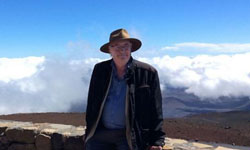
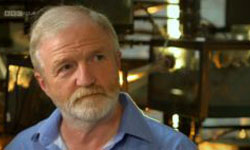
Professor Richard Fortey (pictured) investigates why islands are natural laboratories of evolution, in this three-part series for BBC Four.
- TV-Recordings
- English subtitles
- 180
Professor Richard Fortey (pictured) investigates why islands are natural laboratories of evolution, in this three-part series for BBC Four.
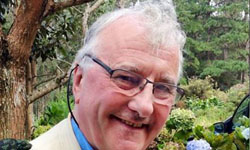
Three-part series in which Professor Richard Fortey investigates why islands are natural laboratories of evolution and meets some of the unique and remarkable species that live on them.
- TV-Recordings
- English subtitles
- 60
Three-part series in which Professor Richard Fortey investigates why islands are natural laboratories of evolution and meets some of the unique and remarkable species that live on them.
-
Nick Baker's Weird Creatures
-
Nick Baker
Wildlife documentary series in which naturalist Nick Baker hunts down some of the strangest creatures on the planet. Nick journeys to the Andes to seek out the giant 'saggy-skinned' Lake Titicaca frog, the world's largest aquatic frog
- TV-Recordings
- Biology
- TV-Recordings
- No subtitles
- 60
Wildlife documentary series in which naturalist Nick Baker hunts down some of the strangest creatures on the planet. Nick journeys to the Andes to seek out the giant 'saggy-skinned' Lake Titicaca frog, the world's largest aquatic frog
-
Our Planet from the Air: Home
-
Luc Besson
Featuring stunning aerial footage from 54 countries, this film from acclaimed aerial photographer Yann Arthus-Bertrand and ecology-minded French director Luc Besson reveals the beauty and fragility of our planet as never before.
- TV-Recordings
- Natural World
- English subtitles
- 90
Featuring stunning aerial footage from 54 countries, this film from acclaimed aerial photographer Yann Arthus-Bertrand and ecology-minded French director Luc Besson reveals the beauty and fragility of our planet as never before.
Penguins as they have never been seen before. From the freezing Antarctic to the scorching tropics, 50 spy cameras capture unique footage of three extraordinary species.
- TV-Recordings
- Natural World
- No subtitles
- 60
Penguins as they have never been seen before. From the freezing Antarctic to the scorching tropics, 50 spy cameras capture unique footage of three extraordinary species.

Watched by spycams, chicks are hatching out all over. Male emperors form an identity parade before handing over their newborns to the returning females.
- TV-Recordings
- Natural World
- No subtitles
- 60
Watched by spycams, chicks are hatching out all over. Male emperors form an identity parade before handing over their newborns to the returning females.
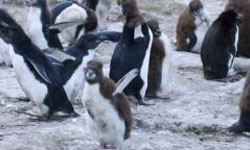
The chicks are growing up fast and becoming increasingly independent. Emperor and rockhopper chicks are placed in a creche as their parents go fishing. The Humboldts are left in their burrows, as the adults enjoy a soft landing of feathers by a beach swarming with cormorants.
- TV-Recordings
- Natural World
- No subtitles
- 60
The chicks are growing up fast and becoming increasingly independent. Emperor and rockhopper chicks are placed in a creche as their parents go fishing. The Humboldts are left in their burrows, as the adults enjoy a soft landing of feathers by a beach swarming with cormorants.
Ant colonies are one of the wonders of nature - complex, organised and mysterious. This programme reveals the secret, underground world of the ant colony in a way that's never been seen before. At its heart is a massive, full-scale ant nest, specially-designed and built to allow cameras to see its inner workings
- TV-Recordings
- Natural World
- TV-Recordings
- No subtitles
- 90
Ant colonies are one of the wonders of nature - complex, organised and mysterious. This programme reveals the secret, underground world of the ant colony in a way that's never been seen before. At its heart is a massive, full-scale ant nest, specially-designed and built to allow cameras to see its inner workings
-
Planet Earth
-
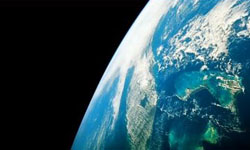
David Attenborough celebrates the amazing variety of the natural world in this epic documentary series, filmed over four years across 64 different countries.
- TV-Recordings
- No subtitles
- 460
David Attenborough celebrates the amazing variety of the natural world in this epic documentary series, filmed over four years across 64 different countries.

This episode looks at the influence of the sun and reveals how its seasonal journey affects the lives of all creatures.
- TV-Recordings
- Astronomy
- Biology
- Natural World
- TV-Recordings
- English subtitles
- 46
This episode looks at the influence of the sun and reveals how its seasonal journey affects the lives of all creatures.
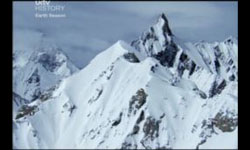
Tour the mightiest mountain ranges, starting with the birth of a mountain at one of the lowest places on Earth and ending at the summit of Everest.
- TV-Recordings
- Geography
- TV-Recordings
- No subtitles
- 46
Tour the mightiest mountain ranges, starting with the birth of a mountain at one of the lowest places on Earth and ending at the summit of Everest.
Fresh water defines the distribution of life on land. Follow the descent of rivers from their mountain sources to the sea. Watch spectacular waterfalls, fly inside the Grand Canyon and explore the wildlife in the world's deepest lake.
- TV-Recordings
- Biology
- Geography
- TV-Recordings
- No subtitles
- 46
Fresh water defines the distribution of life on land. Follow the descent of rivers from their mountain sources to the sea. Watch spectacular waterfalls, fly inside the Grand Canyon and explore the wildlife in the world's deepest lake.

Caves are remarkable habitats with equally bizarre wildlife. Cave angel fish cling to the walls behind waterfalls with microscopic hooks on their fins. Cave swiftlets navigate by echo-location and build nests out of saliva. The Texas cave salamander has neither eyes nor pigment. Planet Earth gets unique access to a hidden world of stalactites, stalagmites, snotites and troglodytes.
- TV-Recordings
- Biology
- Geography
- TV-Recordings
- No subtitles
- 46
Caves are remarkable habitats with equally bizarre wildlife. Cave angel fish cling to the walls behind waterfalls with microscopic hooks on their fins. Cave swiftlets navigate by echo-location and build nests out of saliva. The Texas cave salamander has neither eyes nor pigment. Planet Earth gets unique access to a hidden world of stalactites, stalagmites, snotites and troglodytes.
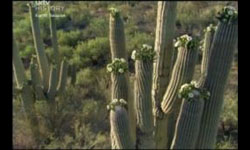
12-01-2007, Around 30% of the land's surface is desert, the most varied of our ecosystems despite the lack of rain. Saharan sandstorms reach nearly a mile high and desert rivers run for a single day.
- TV-Recordings
- Geography
- TV-Recordings
- No subtitles
- 46
12-01-2007, Around 30% of the land's surface is desert, the most varied of our ecosystems despite the lack of rain. Saharan sandstorms reach nearly a mile high and desert rivers run for a single day.

The Arctic and Antarctic experience the most extreme seasons on Earth. Time-lapse cameras watch a colony of emperor penguins, transforming them into a single organism. The film reveals new science about the dynamics of emperor penguin behaviour. In the north, unique aerial images show a polar bear swimming more than 100km. Diving for up to two minutes at a time. The exhausted polar bear later attacks a herd of walrus in a true clash of the Titans.
- TV-Recordings
- Biology
- Geography
- TV-Recordings
- No subtitles
- 46
The Arctic and Antarctic experience the most extreme seasons on Earth. Time-lapse cameras watch a colony of emperor penguins, transforming them into a single organism. The film reveals new science about the dynamics of emperor penguin behaviour. In the north, unique aerial images show a polar bear swimming more than 100km. Diving for up to two minutes at a time. The exhausted polar bear later attacks a herd of walrus in a true clash of the Titans.

06-01-2007, Jungles cover roughly three per cent of our planet yet contain 50 per cent of the world's species. High-definition cameras enable unprecedented views of animals living on the dark jungle floor
- TV-Recordings
- Biology
- TV-Recordings
- No subtitles
- 46
06-01-2007, Jungles cover roughly three per cent of our planet yet contain 50 per cent of the world's species. High-definition cameras enable unprecedented views of animals living on the dark jungle floor
06-01-2007, A humpback whale mother and calf embark on an epic journey from tropical coral paradises to storm ravaged polar seas.
- TV-Recordings
- Biology
- TV-Recordings
- No subtitles
- 46
06-01-2007, A humpback whale mother and calf embark on an epic journey from tropical coral paradises to storm ravaged polar seas.

05-01-2007, The Taiga forest, on the edge of the Arctic, is a silent world of stunted conifers. The trees may be small but filming from the air reveals its true scale. A third of all trees on Earth grow here and during the short summer they produce enough oxygen to change the atmosphere.
- TV-Recordings
- Environmental Studies
- Geography
- TV-Recordings
- No subtitles
- 46
05-01-2007, The Taiga forest, on the edge of the Arctic, is a silent world of stunted conifers. The trees may be small but filming from the air reveals its true scale. A third of all trees on Earth grow here and during the short summer they produce enough oxygen to change the atmosphere.
06-01-2007, Life goes to extraordinary lengths to survive this immense realm. A 30 tonne whale shark gorges on a school of fish and the unique overhead heli-gimbal camera reveals common dolphins rocketing at more than 30km an hour.
- TV-Recordings
- Biology
- TV-Recordings
- No subtitles
- 46
06-01-2007, Life goes to extraordinary lengths to survive this immense realm. A 30 tonne whale shark gorges on a school of fish and the unique overhead heli-gimbal camera reveals common dolphins rocketing at more than 30km an hour.

-
Planet Earth 2
-
David Attenborough presents a documentary series exploring how animals meet the challenges of surviving in the most iconic habitats on earth.
- TV-Recordings
- English subtitles
- 360
David Attenborough presents a documentary series exploring how animals meet the challenges of surviving in the most iconic habitats on earth.
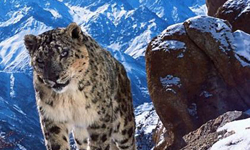
A compilation episode of the wildlife documentary series presented by David Attenborough, uncovering the secrets of animals across the globe.
- TV-Recordings
- English subtitles
- 90
A compilation episode of the wildlife documentary series presented by David Attenborough, uncovering the secrets of animals across the globe.